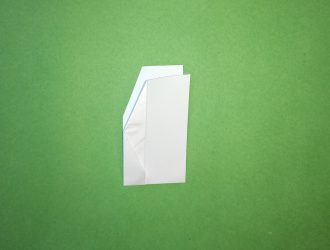
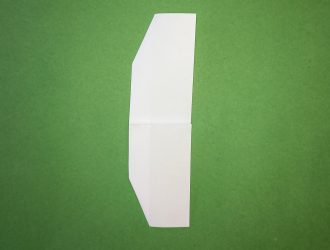
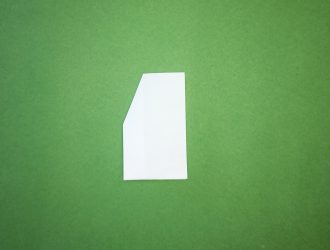
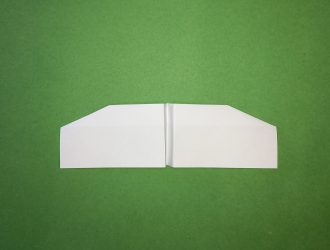
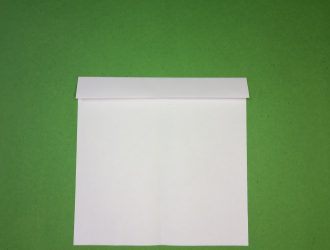
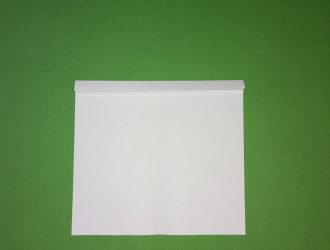
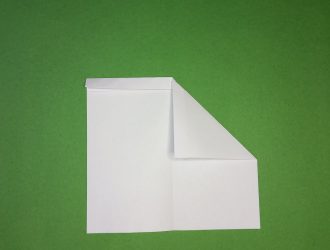
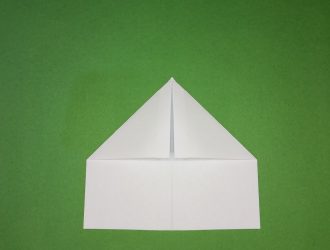
The configuration of a paper airplane’s wings plays a pivotal role in determining how far it can travel. Different wing styles can have a substantial impact on the aerodynamics and overall performance of a paper airplane, influencing the distance it can cover. Let’s delve into the ways in which varying wing styles can affect the flight of a paper airplane.
Conventional Straight Wings:
The most basic and widely used wing design for paper airplanes involves straight wings. These wings provide stability and equilibrium to the aircraft, making it easy to construct and throw. However, their simplistic shape may limit the paper airplane’s capacity to generate lift, ultimately resulting in shorter flight distances.
Delta-Shaped Wings:
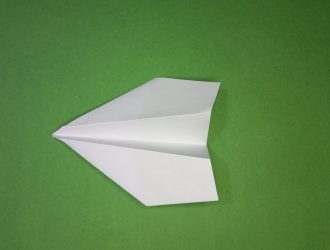
Delta-shaped wings take on a triangular form and can enhance the flight characteristics of a paper airplane. Their tapered structure allows for improved lift and maneuverability. Paper airplanes equipped with delta wings are often capable of covering longer distances owing to their superior lift-generating capabilities.
Swept-Back Wings:
Swept-back wings possess a rearward slant, resembling the wing configuration of fighter jets. This design minimizes aerodynamic drag and can boost the speed and travel distance of a paper airplane. Swept-back wings prove effective in extending flight distances and facilitating faster glides.
Wings with Upward Folds:
Some paper airplane enthusiasts experiment with folding or inclining the wings upwards, creating a shape reminiscent of an airfoil. This alteration enhances lift generation and augments the paper airplane’s overall performance. Wings with upward folds can significantly extend the aircraft’s airborne duration, contributing to longer flight distances.
Adaptable Wing Configurations:
Configurations with variable geometry allow for the adjustment of wing angles. By modifying the wing angle mid-flight, one can optimize the paper airplane’s performance according to prevailing conditions. This adaptability proves advantageous when striving for maximum flight distances.
Incorporating Winglets:
Winglets, small vertical extensions at wingtips, serve to reduce vortex and turbulence formation at the wingtips, thereby minimizing drag. Although their impact on the flight distance of small paper airplanes may not be transformative, they can enhance stability and extend the duration of flight.
Tailored Wing Designs:
When it comes to paper airplane design, creativity knows no bounds. Some enthusiasts craft custom wing shapes and combinations to achieve specific flight objectives. Experimentation with a variety of styles can yield unexpected outcomes and deliver distinctive flight experiences.
In conclusion, the style of wings on a paper airplane can exert a significant influence on its flight performance and the distance it can cover. While straight wings are straightforward to construct and throw, wing designs incorporating features such as delta shapes, swept-back configurations, and upward folds can substantially increase the travel distance of a paper airplane. Ultimately, the choice of wing style should align with specific flight goals and prevailing conditions, making the design of paper airplanes a captivating and educational exploration of aerodynamics.
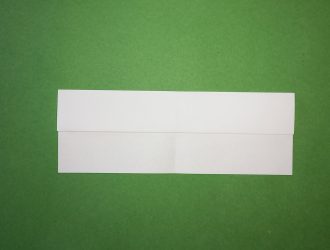
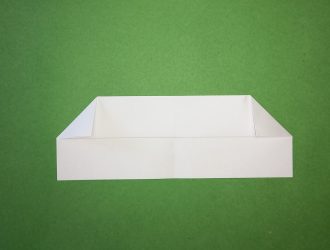
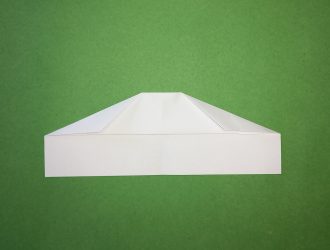
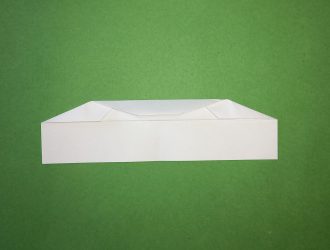
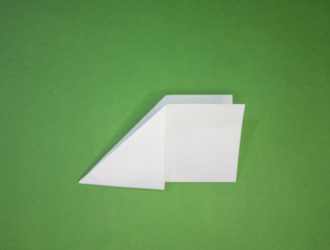
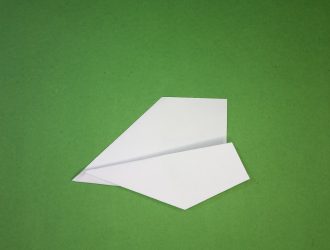
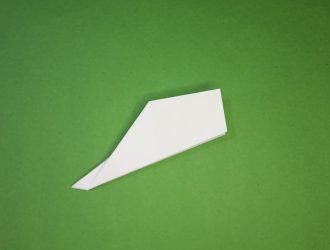
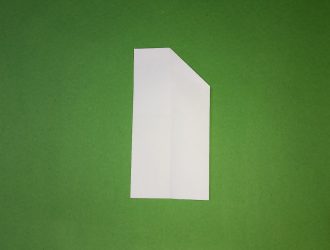
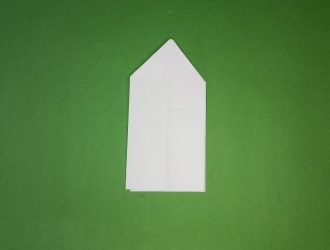
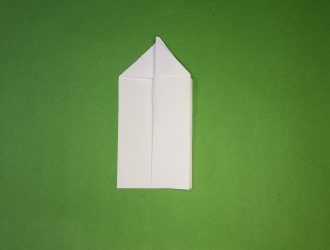
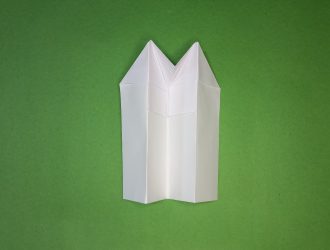
For Your Enjoyment: Here Are Some Paper Airplanes You Can Create with Various Wing Types.